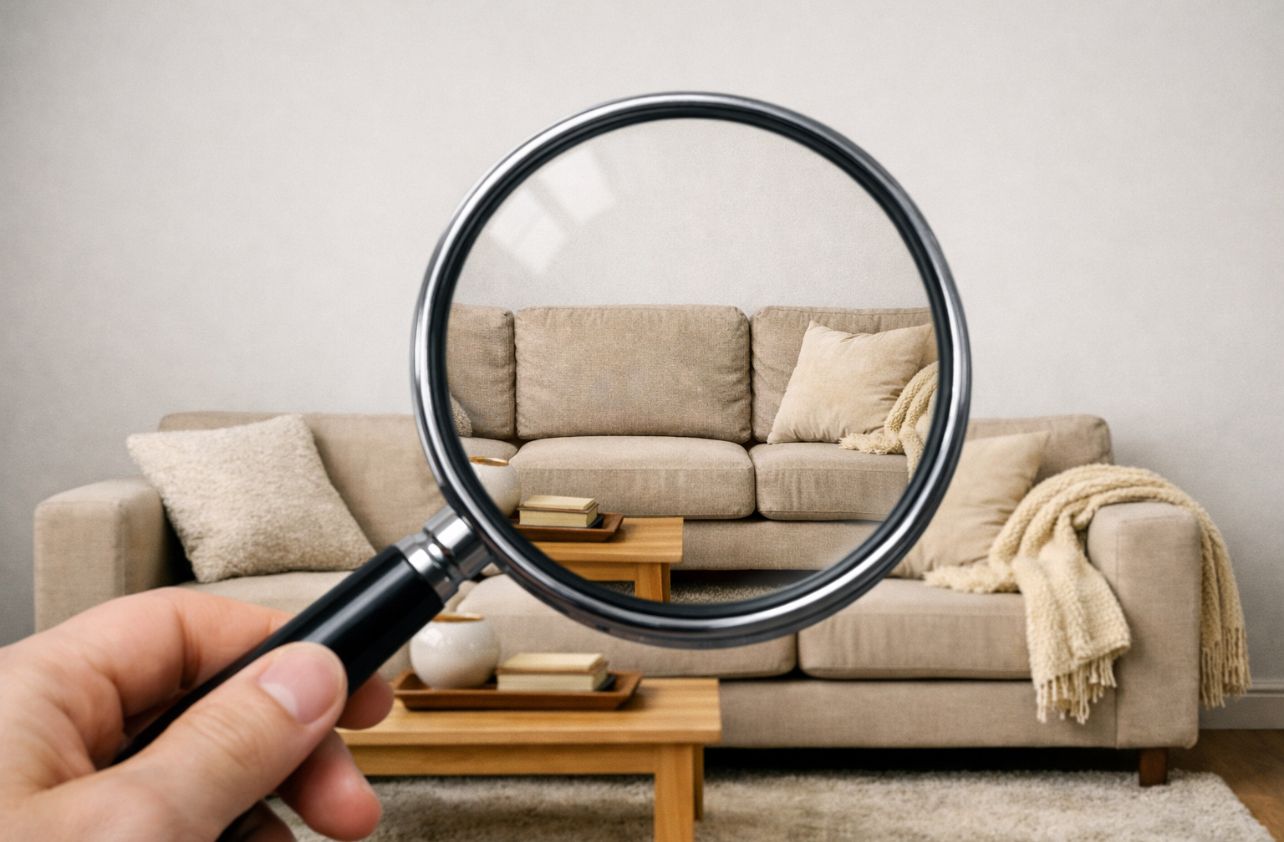
There is a hidden hygiene problem in Perth homes and it's the Couch
Couch's are often regarded as a central feature in the home, providing a space for relaxation, entertainment, and comfort for the whole family. However, beneath the surface, upholstered furniture can accumulate significant amounts of sweat, natural body oils, bacteria, skin cells, and organic debris over time, as demonstrated by research findings it is often to levels that may be unexpected by home owners and tenants.
More bacteria than a toilet seat
In fact, several hygiene studies have found that soft furnishings can harbour more bacteria than a toilet seat, simply because they are touched constantly but rarely get sanitised. A study published in the Journal of Applied Microbiology found that porous household fabrics can support the survival of microorganisms for extended periods, especially when exposed to moisture from sweat and humidity (Scott and Bloomfield, 1990). In Perth's warm climate where perspiration, sunscreen, and body oils are part of daily life, this problem becomes even more pronounced.
How Contamination builds up
Whenever someone sits on the couch, tiny amounts of sweat and sebum - natural oils from our skin are left behind in the fabric. As time passes, these oils sink further into the fibres and padding, creating an ideal environment for bacteria to grow. According to research published in the International Journal of Environmental Health Research, bacteria flourish in materials that are warm, dark and absorbent, especially when mixed with organic debris like skin flakes and food crumbs (Gerba, 2015). Your sofa meets all the criteria of these conditions.
Impact on Appearance and Odor
This buildup doesn't just affect hygiene it also changes the appearance and smell of the furniture. Body oils cause fabrics to darken, become patchy, and develop a sticky or dull texture. Sweat introduces salts and moisture that attracts bacteria, which in turn produce odours. Many homeowners only notice the problem once the couch or sofa begins to smell "musty" or "old" and by that stage, the contamination is already deep within the upholstery.
Greater Risks with Kids and Pets
The issue is even more significant in households with children or pets. Studies published in Indoor Air have shown that homes with pets have higher levels of microbial contamination on soft furnishings due to saliva, dander, and increased human-animal contact (Hopodsky et al., 2012). Even if pets are not allowed on the couch their allergens still settle there. Add Perth's dust, coastal humidity, and long summers to the equation and you have the perfect conditions for microbial growth.
Why Regular Cleaning Matters
Vacuuming helps remove loose debris, but it does not extract the oils and sweat embedded in the fibres. Nor does it kill bacteria. This is why professional hot-water extraction also called steam cleaning is so very effective. High temperature water has been shown to significantly reduce microbial load on soft surfaces, with temperatures above 70 degrees Celsius. capable of destroying common household bacteria and dust mites (Arlain et al., Journal of Allergy and Clinical Immunology, 2002). Professional upholstery cleaning combines heat, detergents, and powerful extraction to flush out oils, sweat, and bacteria that household methods simply cannot reach.
Health Benefits for Perth Homes
For Perth families, tenants, and property managers, this is not only all about appearance as it is also about concerns for your health. Upholstery contamination has been linked to increased allergy symptoms, skin irritation, and respiratory discomfort, especially in sensitive individuals. Regular professional cleaning restores hygiene, removes odours, and extends the life of your furniture.
A Cleaner, Healthier Home
Your couch may be the most comfortable place in your home, but it is also the most contaminated. Understanding what is really hiding beneath the surface is the first step toward creating a cleaner, healthier living environment. And with the right cleaning routine, your lounge suite can stay as fresh and inviting as it looks.
Couches are often regarded as the central feature of the home, providing a space for relaxation, entertainment, and comfort. However, beneath the surface, upholstered furniture can accumulate significant amounts of sweat, natural body oils, bacteria, skin cells, and organic debris over time, as demonstrated by research findings quite often to levels that may be unexpected by homeowners.
Article Author: Carmen Mocke
Date: 23/04/2026
References
Scott, E., & Bloomfield, S.F. (1990). The survival and transfer of microbial contamination via cloths, hands and utensils. Journal of Applied Bacteriology.
Gerba, C. P. (2015). Microbial contamination of common household surfaces. International Journal of Environmental Health Research.
Hopodsky, D. et al. (2012). Human occupancy as a source of indoor airborne bacteria. Indoor Air.
Arlian, L.G., et al. (2002). Reducing dust mite allergens in soft furnishings. Journal of Allergy and Clinical Immunology.