Why Ants invade your home - and how to stop them
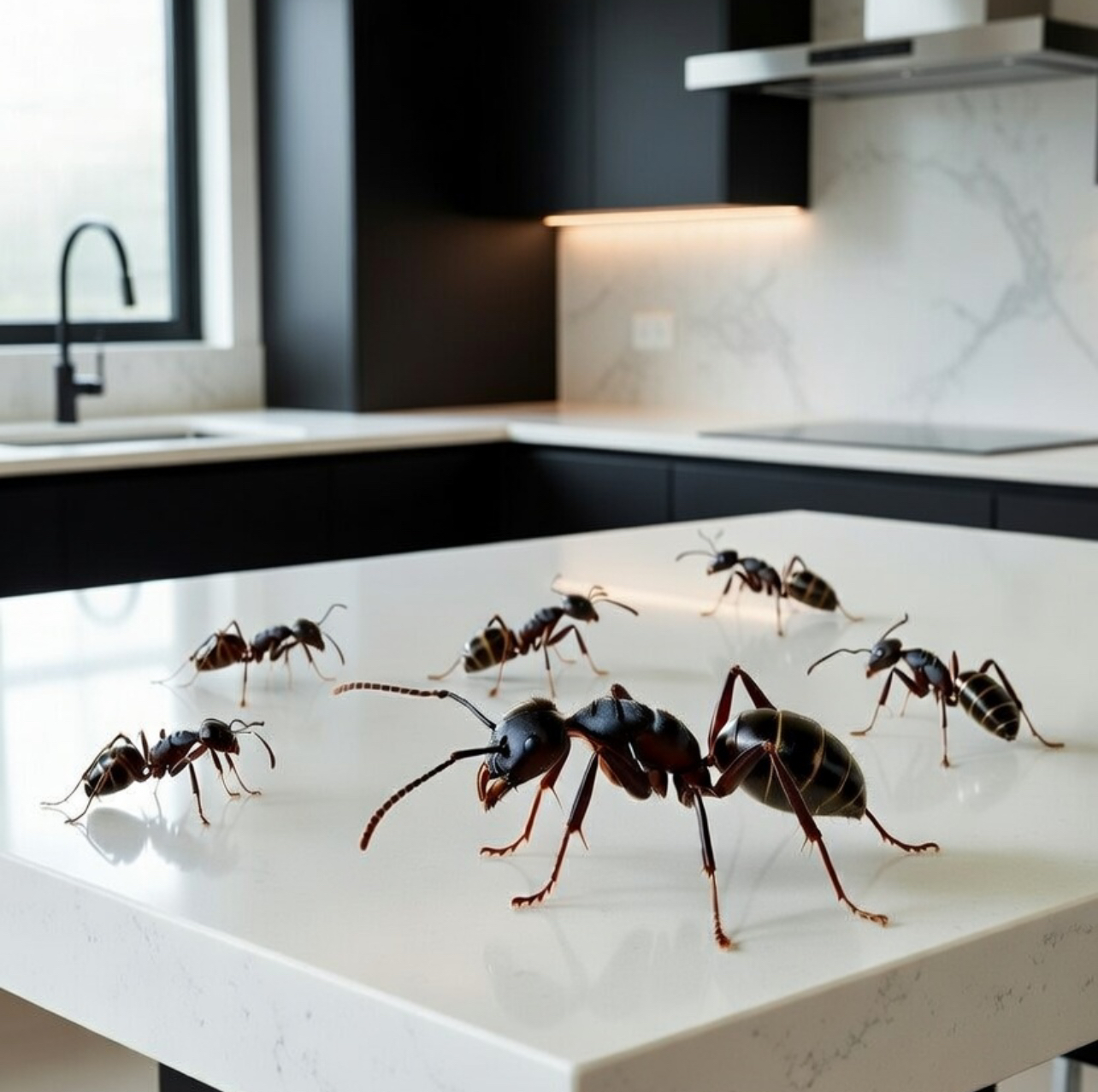
An ant is a small eusocial insect known for living in colonies with highly organized social structures and are found worldwide. While ants are not disease vectors like flies or mosquitoes, ants tend to carry bacteria and foodborne pathogens into kitchens. In clean homes ants may still contaminate food stores by walking over for example fruits, bread and sugar.
How Ants Find Their Way to Food
If you've ever left a glass of soda on the table and returned a moment later to find it swarmed by ants, you've seen just how efficient these tiny insects can be. Ants possess highly developed sensory systems, enabling them to detect sources of food, water, and shelter with remarkable precision. their ability to sense even the smallest spills or crumbs make them quick to locate anything edible in your home. By recognising what draws ants indoors, you can take steps to keep your living spaces ant-free.
Why Ants Come Indoors
Ants don't wander into your home by chance - they enter with a purpose. Their behaviour is driven by the essential need for food, water and shelter.
When a scout ant discovers a resource, it lays down a pheromone trail, creating a chemical map that guides the rest of the colony straight to the source. This is the reason why only one single ant can lead to a trail of ants across the kitchen counter or floor.
What Attracts Ants to Your Home
- Sugars and Sweet Foods: Sugar is one of the most powerful ant attractants because it provides quick, high-energy fuel. Even tiny spills - like a drop of juice or a smear of jam - can trigger a recruitment frenzy. Sticky foods such as syrup, honey and melted ice cream are especially irresistible.
- Proteins and Fats: Many ant species also seek out protein, particularly when the colony is raising new brood. Grease residue, meat scraps, cheese, and pet food are common protein sources that ants will quickly exploit.
- Pantry Staples: Carbohydrate rich foods for example pasta, cereal, rice and breadcrumbs offer ants long-lasting energy. Even small amounts trapped behind appliances can sustain a colony for days. Pet food left out between meals is another major attractant.
- Water sources: Ants need moisture to survive, and they don't require much of it. Bathrooms, Kitchens, and basements provide ideal water sources through: Leaky Taps, Humid Air, Condensation on Pipes, Damp Bath Mats. Carpenter ants are especially drawn to water-damaged wood. where they excavate their nests.
- Salt: Some ant species actively seek out sodium, especially in inland areas where natural sources are more limited. This explains why ants also sometimes swarm salty snacks or even a spilled salt shaker.
- Artificial Sweeteners: Artificial sweeteners don't attract ants because they lack the calories ants need. This also means they do not work as ant bait or poison.
How Ants Get Inside
Ants are experts at finding tiny entry points. They can slip through:
-Cracks in foundations
-Gaps around windows and doors
-Openings around utility lines
-Damaged screens
-Worn weather stripping
Outdoor conditions can also create easy access. Overgrown plants touching the house, tree branches overhanging the roof, and firewood stacked against walls all act as bridges for ants.
Room by Room Ant "Hotspots"
Ants are opportunistic and will explore any room that offers food, moisture, or shelter.
-Kitchen: The number-one hotspot due to food preparation, juice spills, and grocery storage.
-Bathroom: Moisture, condensation, and sweet-scented toiletries.
-Bedroom: Nightstand water glasses and crumbs from snacks eaten in bed.
-Living rooms: Houseplants, especially those with aphids producing honeydew.
-Laundry rooms: Moisture and especially stored pet food and bowls.
How to Keep Ants Out of Your Home
Once you understand what attracts ants, you can make your home far less appealing. Focus on these proven strategies:
Food Control:
-Store food in airtight containers
-Clean spills immediately
-Avoid leaving dirty dishes overnight
-Keep rubbish bins sealed and remove trash daily
Moisture Management:
-Fix leaks promptly
-Wipe down wet surfaces
-Use dehumidifiers in damp area's
-Improve ventilation in bathrooms and basements
Seal Entry Points:
-Caulk cracks and gaps
-Install door sweeps
-Repair damaged screens
-Trim vegetation away from the house
-Store firewood away from exterior walls
Disrupt Ant Trails
Regular wall and floor cleaning removes pheromone trails, making it harder for ants to navigate and recruit others.
When To Call A Professional
Some ant infestations persist despite your best efforts. Different species require different treatment methods, and accurate identification is essential.
Clean Carpets and Pest Control Perth technicians can:
-Identify the ant species
-Locate nests and satellite colonies
-Apply targeted, effective treatments
-Recommend long-term prevention strategies
The best "ant problem" is the one that never happens and our professional support ensures your home stays protected.