Is it Allergies or is it Dust mites?
Are your kids scratching and you can’t discover why?
Pathogens and Bacteria – What Are We Facing?
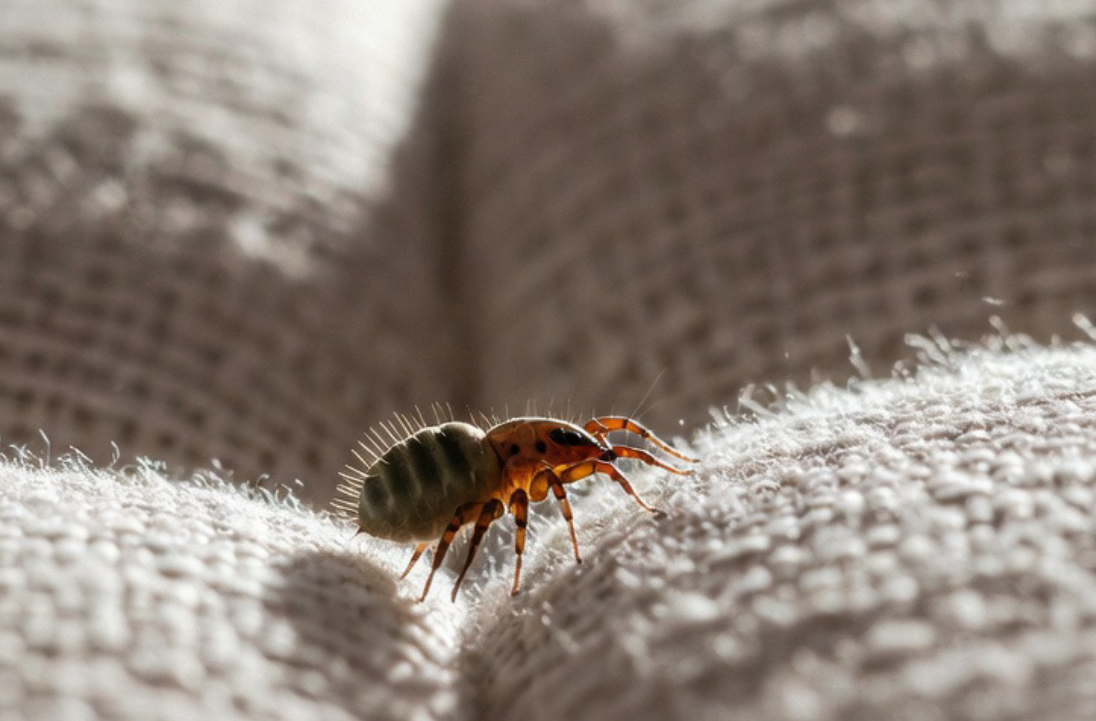
Dust mite allergies frequently lead to persistent symptoms that can occur throughout the year, especially among children. These allergies are a common concern in many households and can significantly affect comfort and well-being.
Typical symptoms include itchy skin (such as eczema), red and itchy eyes, sneezing, sinus congestion, and sometimes coughing. Not only humans, but pets can also react to these airborne pathogens and the harmful bacteria present in the environment and living spaces.
Environmental factors play a key role in triggering allergic reactions. These reactions are usually caused by inhaling or coming into contact with proteins found in dust mite waste, which tend to accumulate in bedding and carpets. Effective strategies for managing these reactions include using allergen-proof covers on mattresses and pillows, washing bedding weekly in hot water, and vacuuming regularly with a HEPA-filter vacuum. At Clean Carpets and Pest Control Perth, it is recommended to sanitize mattresses twice a year and to perform seasonal cleaning of carpets and soft furnishings to help reduce allergen exposure in the home.
Helpful Strategies for Itchy Kids with Dust Mite Allergies
Bedroom Focus
The bedroom is often the primary area where children are exposed to pathogens and bacteria, particularly those associated with dust mites. One of the most successful steps to control dust mite exposure is to sanitize your mattress with a trusted professional from clean carpets and pest control Perth, and use mite-proof covers on mattresses, pillows, and box springs. These covers are specially designed to act as barriers, preventing dust mites and their allergens from passing through. By encasing bedding materials, families can significantly lower the risk of irritation and allergy symptoms, especially for children sensitive to dust mites.
Cleaning Routine
To further manage dust mite allergies, it is important to wash sheets and blankets weekly in hot water. This routine helps eliminate dust mites and reduces the presence of allergens in bedding, contributing to a healthier sleeping environment for children.
Vacuuming and Dusting Practices
To help manage dust mite allergens, it is important to vacuum your living spaces weekly using a vacuum equipped with a HEPA filter. This type of filter effectively traps dust mites and their waste, reducing the amount of allergens in the air. Additionally, when dusting surfaces, use a damp cloth rather than a dry one. The damp cloth helps capture dust particles, preventing them from becoming airborne and being inhaled. By following these cleaning routines regularly, you can minimize exposure to allergens and create a healthier environment, especially for children sensitive to dust mites. Keep few stuffed animals on the bed. Clean them monthly, or seal in a bag and freeze for 24 hours to kill mites.
Flooring and Humidity Control
To further reduce dust mite exposure in the home, it is recommended to professionally clean carpets with our trusted licensed, insured and certified carpet cleaning technicians, especially in bedrooms. Carpets can harbor dust mites and their allergens, making them difficult to eliminate completely.
Controlling indoor humidity is also essential in managing dust mites. Keeping the humidity level below 50% using a dehumidifier creates an environment that is unfavorable for mite growth. Dust mites thrive in moist conditions, so maintaining lower humidity inhibits their development and helps reduce allergic reactions among sensitive individuals.