Are Pest Sprays Safe Around Cats, Dogs and Birds?
If you've got a dog, cat or bird at home, there's a good chance you've wondered whether having your property sprayed for pests is actually safe for them.
And it's a fair question.
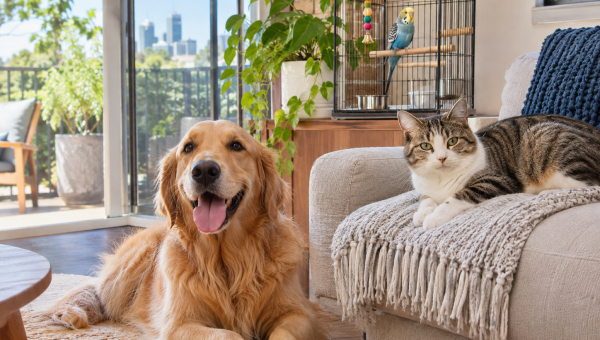
Our pets spend a lot of time in places we don't always think about. Dogs are constantly sniffing around the garden, cats love exploring those quiet little corners, and birds can be particularly sensitive to things in their environment.
So naturally, when someone mentions spraying chemicals around the house, the first thing you probably think is, "What about my pets?"
We completely understand that.
For many of us, our pets aren't just animals. They're part of the family, and looking after them is just as important as looking after everyone else in the home.
The good news is that professional pest control can be carried out in homes with pets, provided the correct treatment is chosen and the appropriate safety precautions are followed.
But there are a few important things worth knowing before booking.
Can Pest Sprays Be Safe Around Pets?
The short answer is that it depends on the treatment, the products being used and how the property is prepared.
Not every pest spray is the same, and not every animal responds to chemicals in the same way.
A product suitable for use in one situation might not be appropriate in another, particularly when certain pets are present.
That's why professional pest control shouldn't simply involve arriving at a property and spraying everything in sight.
There should be a reason behind the treatment being used, where it's applied and the precautions taken beforehand.
The Australian Pesticides and Veterinary Medicines Authority (APVMA) requires registered pesticides to be used according to their approved label directions.
Those directions are important because they help minimise risks to people, animals and the environment.
So when someone asks us whether pest spraying is safe for pets, we believe the most responsible answer is to understand the animals living at the property first.
Because there's a difference between taking the right precautions and simply assuming a product is harmless.
Why You Should Tell Your Pest Control Technician About Your Pets
Here's something we always encourage customers to do.
If you have pets, let us know before your pest control appointment.
It might seem like an obvious thing to mention, but you'd be surprised how easily it can slip someone's mind.
Maybe your dog spends most of its time outside, so you don't think an indoor treatment will affect it.
Or perhaps you have a bird in an aviary at the back of the property, away from where you expect the technician to be working.
These details still matter.
Different animals have different sensitivities, and the technician needs to know about them before deciding where and how to carry out the treatment.
It's also worth mentioning if your pet has any particular health concerns, or if there are areas of the property you want the technician to avoid.
A quick conversation beforehand can make preparing for the appointment much easier.
Are Pest Sprays Safe Around Dogs?
Dogs are naturally curious.
They'll investigate just about anything, especially if there's an interesting smell involved.
And if you've got a little dog that follows you everywhere, you'll know exactly what we mean.
The concern with pest treatments is that dogs can come into contact with chemicals through their paws, skin or mouth.
For example, a dog might walk through a recently treated area and then lick its paws afterwards.
Or it might sniff, lick or chew something that has been exposed to a pesticide.
That's why dogs should be kept away from the areas being treated.
Before a professional pest spray, it's also important to remove or protect things like:
-
Food and water bowls
-
Dog beds and blankets
-
Chew toys and other pet belongings
-
Items the dog regularly carries around in its mouth
Depending on the treatment, your dog may need to leave the property for a specified period.
And even once the spraying is finished, that doesn't automatically mean it's time to let your dog run around the garden again.
Always follow the technician's re-entry instructions and wait until the treatment conditions have been met.
A little preparation beforehand can help reduce unnecessary exposure.
Why Cats Need Extra Care Around Pest Sprays
Cats are a little different.
Apart from being curious, they're also very good at getting into places we sometimes struggle to reach ourselves.
Under furniture, behind cupboards, around pot plants and in those quiet little corners of the garden.
And because cats spend so much time grooming themselves, it's especially important to consider anything they might get onto their paws or fur.
Something many cat owners don't realise is that cats are particularly sensitive to certain insecticides, including permethrin and some other pyrethroids.
These chemicals can be found in some household pest-control products.
Exposure can cause serious illness in cats, particularly when they come into contact with unsuitable products or concentrated amounts.
That's why it's so important to tell your technician that you have cats before any treatment begins.
You'll also want to make sure their food bowls, bedding, litter trays and favourite resting areas are considered when preparing the property.
And please remember that a flea or tick product intended for dogs should never automatically be considered suitable for cats.
The two animals can respond very differently to the same ingredient.
If you're ever unsure about a product or think your cat has been exposed to something harmful, speak to your veterinarian.
It's always better to ask than to take a chance.
What About Pet Birds? Why Are They More Sensitive?
Now, this is one area we think deserves a little extra attention.
Whether you have a budgie, cockatiel, parrot or another pet bird, you need to be particularly careful when arranging pest spraying.
Birds have very sensitive respiratory systems, and certain pesticides can be extremely harmful to them.
It's not only about whether the spray comes into direct contact with the bird.
Airborne particles, spray drift and contaminated food or water can also create problems.
And that's why we wouldn't recommend simply leaving a bird in its cage near an area being treated and assuming everything will be fine.
Before treatment, you'll need to discuss the safest arrangements with your technician.
This may include moving your bird to a completely separate, unaffected location for the required period.
If you have an outdoor aviary, that's something your pest control technician needs to know about as well.
The position of the aviary, the areas being treated and the potential for spray drift all need to be considered.
Food, water and other bird-related equipment must also be protected from contamination.
And if a bird cannot be safely relocated, it's important to discuss alternative arrangements before spraying takes place.
We know how much these little companions mean to their owners, especially for people who spend a lot of time at home.
Taking a little extra care is absolutely worth it.
Don't Forget About Fish Ponds and Other Pets
Cats, dogs and birds aren't the only animals we need to think about.
Fish and other aquatic animals can be particularly sensitive to certain pesticides.
That means outdoor ponds, aquariums and water features containing fish should be discussed with your technician before treatment.
In some situations, tanks or ponds may need to be protected from spray drift, and equipment such as air pumps may need specific precautions.
But it depends on the product and how it's being applied.
If you have rabbits, guinea pigs, reptiles or other pets, those should also be mentioned when booking.
The point is simple.
Every household is different, and a suitable pest treatment needs to take that into account.
How to Prepare Your Home for Pest Spraying When You Have Pets
A little preparation before your appointment can make things easier for everyone.
And you don't need to know anything technical about pest control to get started.
Here are a few things worth doing.
1. Tell the Technician Which Pets You Have
Let the business know whether you have dogs, cats, birds, fish or any other animals at the property.
Don't forget about outdoor pets or animals kept in sheds and aviaries.
2. Make Arrangements for Your Pets
Find out whether your pets need to leave the property and how long they must remain away.
Depending on the treatment, this might mean organising somewhere for them to stay for a few hours.
3. Remove Pet Food, Water and Belongings
Food bowls, water dishes, bedding, toys and other pet-related items should be removed from treatment areas or protected as directed.
4. Point Out Your Pets' Favourite Spots
Does your cat sleep underneath a particular chair?
Does your dog spend most of the afternoon in a sheltered corner of the backyard?
Let your technician know.
These are the places where animals may spend a lot of time, and that information can help when planning the treatment.
5. Follow the Preparation Instructions
Different pest treatments have different requirements.
Some may involve moving furniture or clearing access to certain areas. Others may require particular items to be removed or protected.
If you're unsure about anything, just ask before the appointment.
That's what we're here for.
How Long Should Pets Stay Away After Pest Control?
This is probably one of the most common questions pet owners ask.
And unfortunately, there isn't one waiting period that applies to every type of pest treatment.
It depends on the pesticide being used, how it's applied and the treatment requirements.
Some treatments require people and pets to leave the property for a specified number of hours.
For example, our professional flea treatments at Clean Carpets & Pest Control Perth require all people and pets to remain out of the treated property for five hours following treatment.
Other pest treatments may have different requirements.
It's also important that treated areas are sufficiently dry and ventilated where required, and that all product-specific instructions have been followed.
For birds and other sensitive animals, additional precautions may be necessary.
Never assume that a spray is safe for your pets simply because the technician has finished working.
The instructions provided for your particular booking should always come first.
Is Professional Pest Control Still Worth Considering When You Have Pets?
Absolutely, although it's important to approach it properly.
Pests can create their own problems around the home.
Fleas can affect pets and people, cockroaches can contaminate household areas, and spiders may settle in sheltered spots where animals like to explore.
Of course, not every pest problem needs exactly the same treatment.
Sometimes reducing food sources, sealing entry points, clearing clutter or improving cleaning routines can help manage pest activity.
In other situations, professional treatment may be appropriate.
At Clean Carpets & Pest Control Perth, we provide professional pest control for Perth homes, rental properties and businesses.
Different pests require different approaches, which is why understanding the problem before selecting a treatment matters.
And when pets are involved, their presence needs to be part of that conversation.
What About Flea Treatments?
For households with cats or dogs, fleas are another common concern.
It's worth remembering that treating fleas around the property and treating fleas on your pet are two different things.
Professional environmental flea control is intended to address flea activity around the home.
Your pet may also need an appropriate veterinary flea treatment to help manage the problem properly.
You can learn more about our professional flea treatment services in Perth.
What If Your Pet Accidentally Comes Into Contact With a Pesticide?
Even when precautions are taken, accidents can happen.
A pet might find an accessible pesticide container, walk through a recently treated area or lick something it shouldn't.
Depending on the substance and the level of exposure, possible signs of poisoning can include:
-
Excessive drooling
-
Vomiting
-
Unusual behaviour or agitation
-
Tremors or muscle twitching
-
Weakness or difficulty moving
-
Seizures or breathing difficulties in severe cases
Not every animal will experience the same symptoms.
If you suspect your pet has been exposed to a pesticide, remove it from further exposure if it is safe to do so and contact your veterinarian or the Animal Poisons Helpline immediately.
You can reach the Australian Animal Poisons Helpline on 1300 869 738, available 24 hours a day.
Try to have the name of the pesticide available, as this can help the veterinarian or poison specialist assess the risk.
Don't wait for symptoms to become severe before asking for advice.
Common Questions About Pest Spraying and Pets
Are pest sprays safe for dogs once they've dried?
Some pesticide products allow pets to return after the treated areas have dried, provided the other label and re-entry requirements have been met.
However, drying alone doesn't make every treatment safe. Always follow the instructions provided for the particular product and treatment.
Are cats more sensitive to pest control chemicals than dogs?
Cats are particularly sensitive to certain insecticides, including permethrin and some other pyrethroids.
This is why you should always tell your pest control technician if you have cats and follow all the preparation and re-entry instructions carefully.
Can I leave my bird in its cage during pest spraying?
You should not assume it's safe to leave your bird in its cage during treatment.
Birds can be highly sensitive to certain pesticides and airborne spray exposure.
Discuss your bird's location with your technician beforehand and arrange appropriate relocation where required.
Simply covering the cage should not be treated as a guarantee of protection.
Do my pets need to leave the property during a pest spray?
Some treatments require pets to leave the property, while others have different preparation and re-entry requirements.
Always confirm the arrangements before your appointment.
For our professional flea treatments, all people and pets must remain out of the treated property for five hours following treatment.
Can professional pest control get rid of fleas on my dog or cat?
Professional property flea treatment addresses flea activity in the environment. It does not replace veterinary flea treatment for the animal itself.
Speak to your veterinarian about suitable flea prevention and treatment for your pet.
What should I ask before booking pest control if I have pets?
Let the business know what pets you have, where they spend their time and whether there are any sensitive areas around the property.
You can also ask which treatment is proposed, what preparation is required and when your pets may safely return.
Looking After Your Home Also Means Looking After Your Pets
At the end of the day, we all want our homes to be comfortable places to live.
And for those of us with pets, that includes making sure they're considered when we're arranging work around the property.
Whether it's a dog that follows you from room to room, a cat that enjoys sleeping in the garden or a little bird that keeps you company, they're part of the household too.
Pest control should never be about simply getting rid of unwanted insects without thinking about the people and animals living at the property.
It's about understanding the problem, selecting an appropriate treatment and taking the precautions needed to reduce unnecessary exposure.
If you're considering pest control and you're worried about how it might affect your pets, please don't hesitate to ask us.
We'd much rather have a conversation about it beforehand than leave you feeling unsure.
At Clean Carpets & Pest Control Perth, we're a family-owned business that's been looking after Perth homes since 2018.
We believe in honest communication, good service and helping customers understand what's involved before any treatment takes place.
And if you've got pets, they're an important part of that conversation too.
Clean Carpets & Pest Control Perth
Phone: 0455 851 072
Website: https://www.cleancarpetsperth.com.au/
References & Further Reading
1. Australian Pesticides and Veterinary Medicines Authority – Understanding Pesticide Labels
Information about pesticide label directions, safe application and reducing risks to people, animals and the environment.
https://www.apvma.gov.au/resources/using-chemicals/understanding-pesticide-labels
2. RSPCA Australia – Common Household Dangers for Pets
Information about household poisoning risks, pesticides and the sensitivity of cats to certain insecticides.
3. RSPCA Australia – How Should I Care for My Birds?
Advice about protecting pet birds from household hazards, including insecticide sprays.
https://kb.rspca.org.au/categories/companion-animals/other-pets/birds/how-should-i-care-for-my-birds
4. Animal Poisons Helpline – Pyrethroid Insecticides
Information about pesticide exposure in pets, the sensitivity of cats and precautions around treated areas.
https://www.animalpoisons.com.au/news/pyrethroid-insecticides/
5. Better Health Channel – Pest Control in the Home
Australian Government-supported health information about household pesticide safety, pets, birds, fish and pest prevention.
https://www.betterhealth.vic.gov.au/health/healthyliving/pest-control-in-the-home
6. HealthyWA – How to Choose a Pest Management Business
Western Australian Government guidance about pest control, preparation, pet safety and questions to ask before treatment.
https://www.healthywa.wa.gov.au/Articles/F_I/How-to-choose-a-pest-management-business
7. Animal Poisons Helpline – Contact Information
Professional poison advice for Australian pet owners.
https://www.animalpoisons.com.au/contact/
Article Author: Janus Oosthuizen